Taking the leap into independence
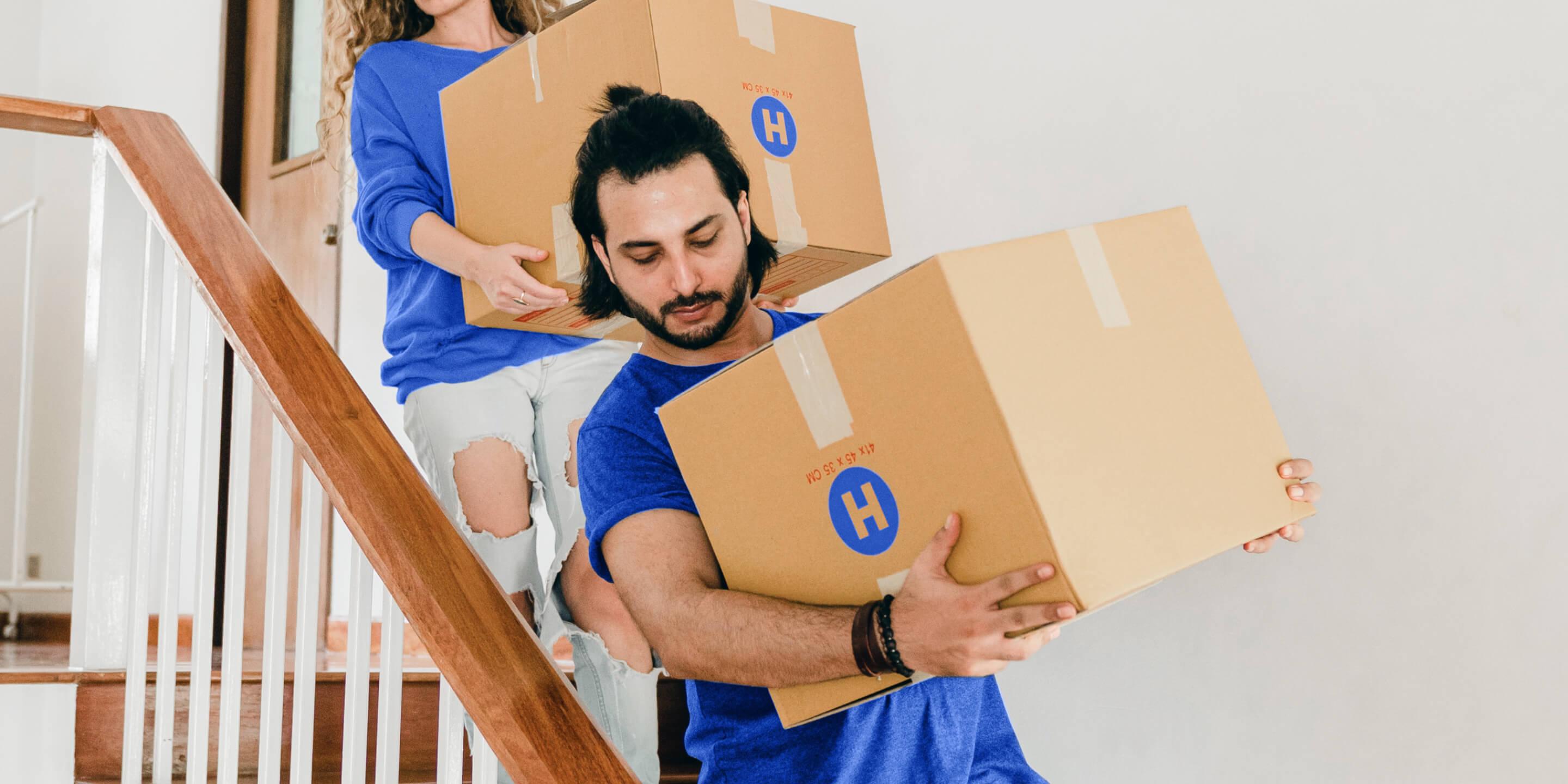
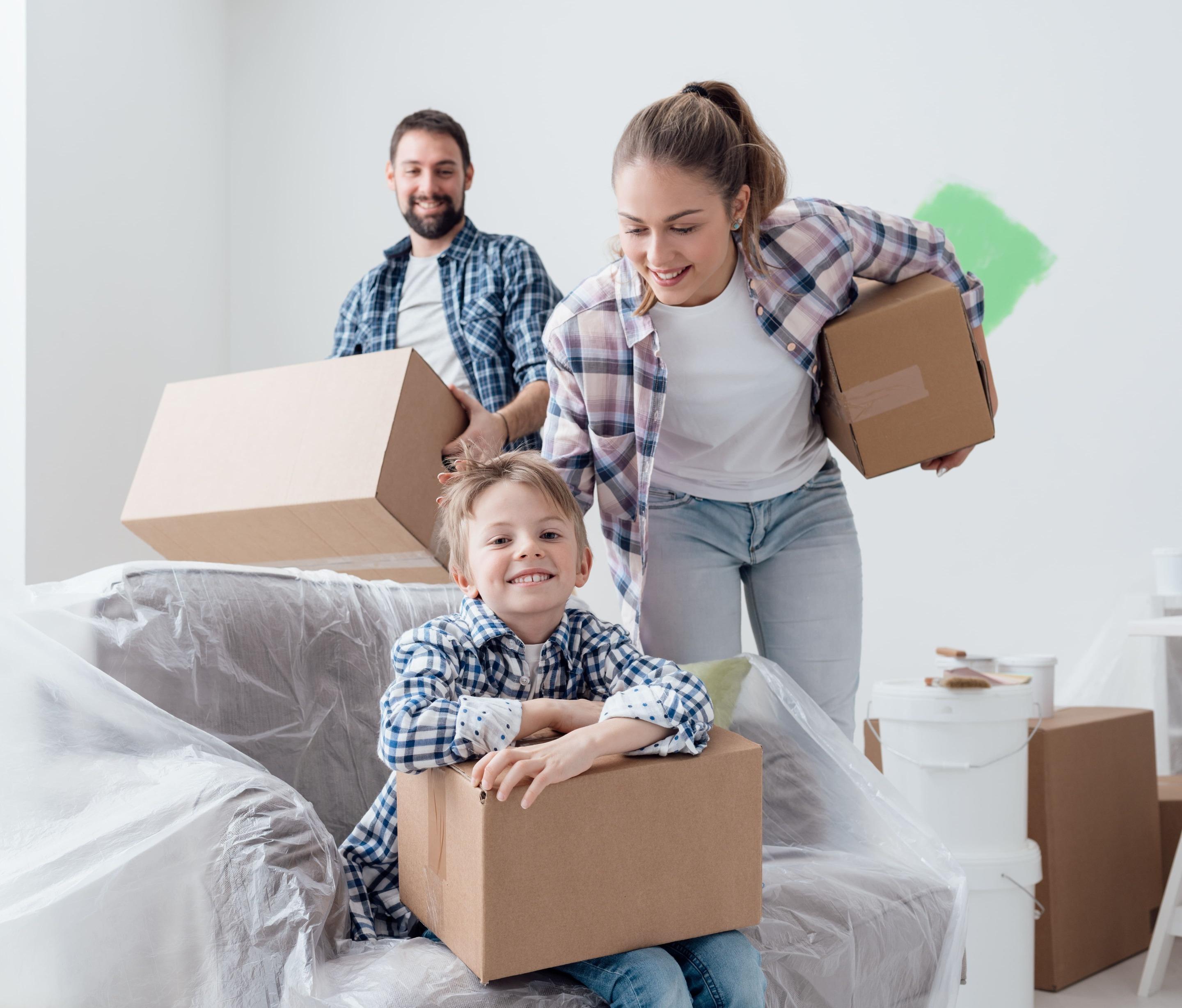
Moving out on your own for the first time is both exhilarating and nerve-wracking. It marks a significant milestone in your journey toward independence, bringing new responsibilities, new freedoms, and a new place to call your own. With the right preparation and mindset, you can navigate this transition smoothly and confidently.
Start by understanding your costs. Estimate your moving costs so you can plan your budget with clarity from day one.
Living alone versus living with roommates
One of the first decisions you need to make is whether to live alone or share your space with a roommate.
Living alone
Living alone gives you full control over your environment, schedule, and lifestyle. You can decorate however you want, set your own rules, and enjoy complete privacy. The trade-off is a higher financial commitment since you will be covering rent, utilities, and household expenses entirely on your own.
Living with roommates
Sharing a space with roommates can significantly reduce the financial burden of living independently. Splitting rent, utilities, and even groceries makes your money go further. On the other hand, it requires compromise, communication, and clear agreements about shared responsibilities.
Consider your financial situation, personality, and lifestyle preferences when making this decision. Neither option is inherently better; it comes down to what works for you.
Choosing the right time to move
Timing your move strategically can save you money and hassle.
- Moving during off-peak seasons (fall and winter) often means lower rates from moving companies
- Avoid the end and beginning of the month when demand and rental competition peak
- Consider your work schedule, lease start dates, and personal commitments
- Give yourself enough lead time to plan, pack, and prepare without rushing
Budgeting for your move
Financial preparation is the foundation of a successful first move. Underestimating costs is one of the most common mistakes first-time movers make.
- Calculate your total moving costs including the truck or movers, packing supplies, deposits, and first month's rent
- Budget for ongoing expenses like rent, utilities, groceries, internet, and transportation
- Build an emergency fund to cover unexpected costs during the transition
- Track your spending with a simple spreadsheet or budgeting app
- Research the cost of living in your new area before committing to a lease
Researching moving companies
If you are hiring professional movers, invest the time to find a reputable company.
- Get quotes from at least three different moving companies
- Read reviews on multiple platforms and check their licensing credentials
- Ask about insurance coverage and liability for damaged items
- Clarify pricing to avoid surprise fees on moving day
- Ask friends, family, or coworkers for recommendations based on their experiences
Ready to compare options? Get a free moving quote from vetted, licensed professionals to find the right fit for your first move.
Packing essentials for first-time movers
Sorting and decluttering
Before you start packing, take the time to declutter. Moving is the perfect opportunity to let go of items you no longer need or use.
- Go through every room and sort belongings into keep, donate, sell, and discard piles
- Be honest about what you actually use and what has been sitting untouched
- Sell items online or at a garage sale to offset moving costs
- Donate usable items to local charities
Gathering packing supplies
Stock up on supplies before you start packing to avoid interruptions.
- Sturdy boxes in various sizes
- Packing tape and a tape dispenser
- Bubble wrap and packing paper
- Markers for labeling
- Garbage bags for soft items like clothing and linens
Labeling your boxes
Clear labeling saves hours of frustration when unpacking.
- Mark each box with its contents and the room it belongs in
- Use a color-coding system for quick identification
- Note which boxes contain fragile items
- Keep a master inventory list for reference
Protecting fragile items
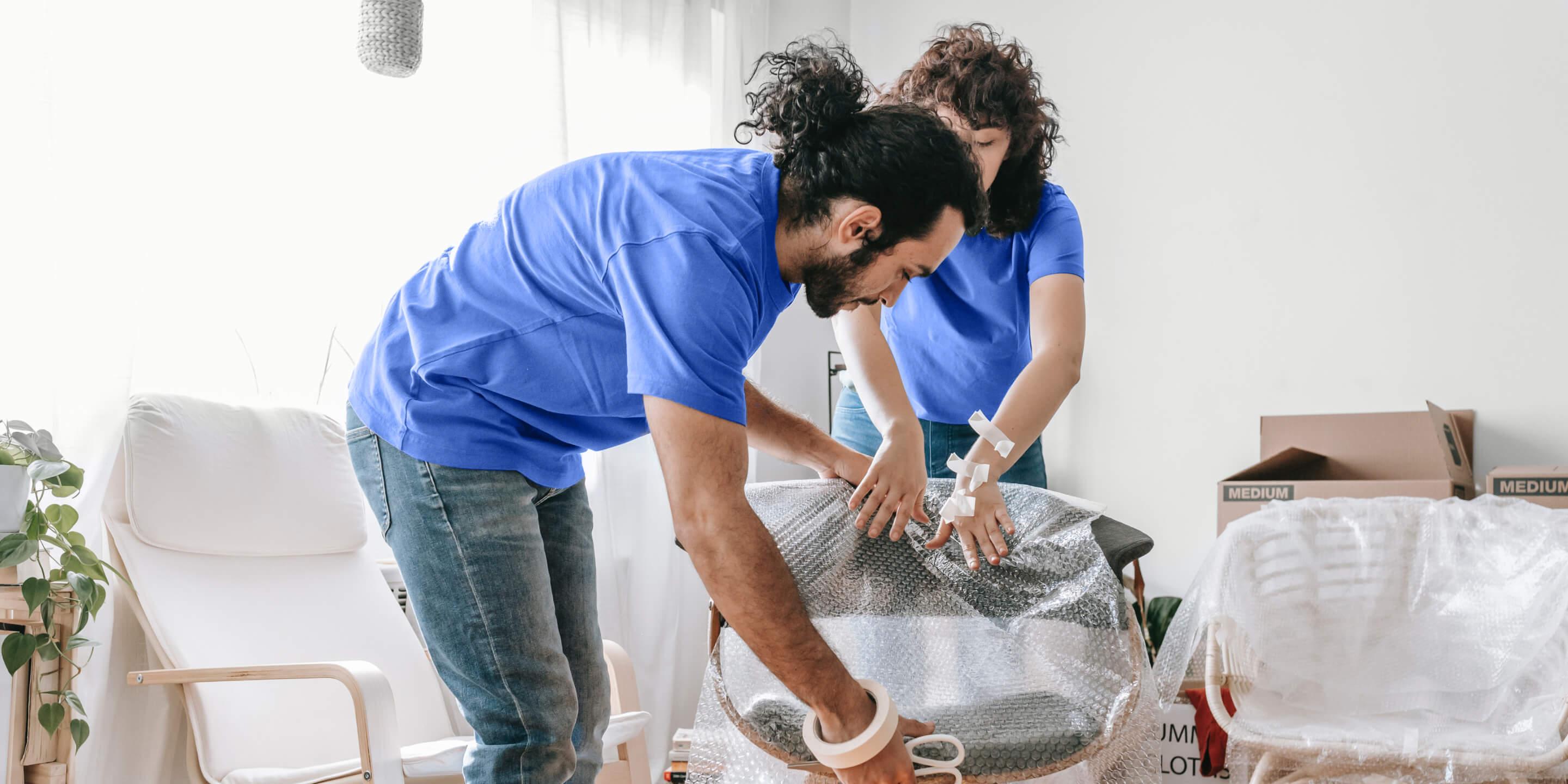
Broken belongings are one of the biggest moving headaches. Take extra care with fragile items.
- Wrap each fragile item individually with bubble wrap or packing paper
- Use dish pack boxes for plates, glasses, and delicate kitchenware
- Fill empty spaces in boxes with crumpled paper or packing peanuts to prevent shifting
- Label fragile boxes clearly on all sides
Moving day essentials
Arranging transportation
Whether you are renting a truck, hiring movers, or relying on friends, confirm your transportation well in advance.
- Reserve your rental truck or confirm your mover booking at least a week early
- Plan the route to your new home and identify parking logistics
- Have a backup plan in case of delays or complications
Packing a first-night essentials bag
Your first night in a new home should not involve digging through dozens of boxes.
- Pack toiletries, a change of clothes, phone chargers, and basic kitchenware
- Include bedding or a sleeping bag so you can rest comfortably
- Bring snacks, water, and any medications you need
- Keep important documents and keys in a secure, accessible spot
Setting up utilities
Do not wait until moving day to handle utilities. Set them up in advance so everything is ready when you arrive.
- Contact providers for electricity, gas, water, and internet well before your move date
- Schedule activation for your move-in day or the day before
- Update your address with the postal service, banks, and subscriptions
- Keep confirmation numbers and account details organized
Unpacking and organizing
Approach unpacking systematically to avoid feeling overwhelmed.
- Start with the essentials: kitchen, bathroom, and bedroom
- Unpack one room at a time for a sense of progress and accomplishment
- Set up furniture before unpacking boxes to establish a functional layout
- Break down boxes as you go to keep the space manageable
Embracing your new space
Making your new place feel like home takes intentional effort, especially when you are living on your own for the first time.
- Personalize your space with photos, artwork, and items that make you happy
- Invest in a few quality pieces of furniture that fit your lifestyle
- Add plants, rugs, or lighting to create warmth and atmosphere
- Give yourself permission to take it slowly; your space will evolve over time
Connecting with your new community
Building connections in a new area helps you feel settled and supported.
- Introduce yourself to neighbors
- Explore local shops, restaurants, parks, and recreation centers
- Join community groups, clubs, or fitness classes
- Attend local events and festivals to meet people with shared interests
- Use community apps and social media groups to stay informed about your area
Maintaining your independence
Living on your own is a learning curve. Embrace it.
- Develop a routine for household chores, meal preparation, and finances
- Learn basic home maintenance skills like unclogging a drain or changing a light fixture
- Stay on top of bills and manage your budget actively
- Do not hesitate to ask for help or advice when you need it
- Celebrate your progress and enjoy the freedom you have earned
Planning a move to a different state? Get a long-distance estimate to understand the full picture before you commit.
Final thoughts
Moving out for the first time is a defining life moment. It comes with challenges, but each one is an opportunity to grow. With a solid budget, careful planning, the right support, and an open mind, you will transform an empty space into a home that is truly yours. Welcome to independence.