Quick overview
Relocating does not have to be overwhelming. The key to a faster, smoother move is avoiding common pitfalls through proper planning, organization, and communication. These 20 tips cover every phase of the moving process, from initial planning through post-move settling.
Want to skip the stress? Get a free moving quote and let the professionals handle the logistics.
Planning and preparation
1. Start by creating a move plan
Set a firm moving date and build your timeline around it. Take a complete inventory of your belongings, research and hire a moving company early, and create a comprehensive checklist with manageable steps. A solid plan prevents last-minute scrambling.
2. Create a budget
Estimate all moving-related costs upfront:
- Packing supplies (boxes, tape, bubble wrap)
- Moving company fees
- Transportation and fuel
- Storage fees (if needed)
- Travel and temporary housing
- Utility setup and deposits
Obtain multiple quotes, declutter to reduce volume, and set aside contingency funds for unexpected expenses.
3. Create an effective moving timeline
Work backward from your moving date and assign specific tasks to each week. Set firm deadlines for every milestone. Keep the timeline posted somewhere visible so everyone in the household stays on track.
4. Evaluate the moving process realistically
One of the most common mistakes is underestimating how much time and effort a move requires. Start planning as early as possible and break the process into manageable chunks rather than trying to tackle everything at once.
5. Research and hire a reliable moving company
- Gather recommendations from friends, family, and trusted online sources
- Verify the company's licensing and insurance
- Read reviews on multiple platforms
- Compare at least three to four quotes
Working with licensed and insured movers protects your belongings and gives you recourse if something goes wrong.
6. Declutter before the move
Sort your possessions into four categories: keep, donate, sell, and discard. Start early to avoid rushing through the process. The fewer items you move, the lower your costs and the easier your packing will be.
Packing strategies
7. Use the right packing materials
Invest in sturdy boxes and quality packing materials. Wrap fragile items individually with bubble wrap or packing paper. Label every box clearly with contents and the destination room.
8. Label and organize properly
An organized labeling system saves hours on the other end:
- Label each box with contents and destination room
- Create an inventory list for reference
- Use color-coded labels or a numbering system for easy tracking
9. Consider insurance
Check with your insurance provider about coverage during the move. If your existing policy does not cover items in transit, purchase moving insurance for valuable belongings.
10. Handle important documentation
Create a dedicated folder for all move-related documents: lease or purchase agreements, utility transfer confirmations, moving company contracts, and insurance paperwork. Carry this folder with you during the move rather than packing it on the truck.
11. Notify utilities and service providers
Make a list of every company that needs to know about your address change. Schedule disconnection at your current address and connection at the new one. Notify banks, subscriptions, insurance companies, and government agencies of the change.
12. Pack an essential items box
Pack a box (or suitcase) with everything you will need for the first 24-48 hours:
- Toiletries and medications
- A change of clothes
- Important documents
- Phone chargers
- Basic kitchen items (paper plates, utensils, snacks)
- Cleaning supplies
Label it clearly and keep it accessible during the move.
13. Start packing early
Begin packing non-essential items weeks before your moving date. Create a room-by-room schedule, starting with seasonal items and decorations, then moving to less-used items, and leaving daily essentials for last.
Consistency matters more than marathon packing sessions. A little each day prevents burnout.
14. Secure fragile items
- Pack heavier items in smaller boxes to keep weight manageable
- Wrap fragile items with bubble wrap, packing paper, or moving blankets
- Fill empty spaces with cushioning materials like packing peanuts or crumpled paper
- Label boxes as FRAGILE on all sides
Moving day
15. Take safety measures
Moving injuries are more common than you might think. Protect yourself by:
- Using proper lifting techniques (lift with your legs, not your back)
- Utilizing moving equipment like dollies, straps, and furniture sliders
- Taking regular breaks and staying hydrated
- Wearing closed-toe shoes and gloves
16. Check the new location before moving in
If possible, visit your new location before moving day. Measure doorways, stairwells, and elevators to confirm your furniture will fit. Check parking availability and any restrictions for moving trucks.
17. Communicate with the movers
Clear communication prevents problems:
- Share your expectations and requirements upfront
- Stay in touch with the moving crew throughout the process
- Address any concerns promptly rather than waiting
Special considerations
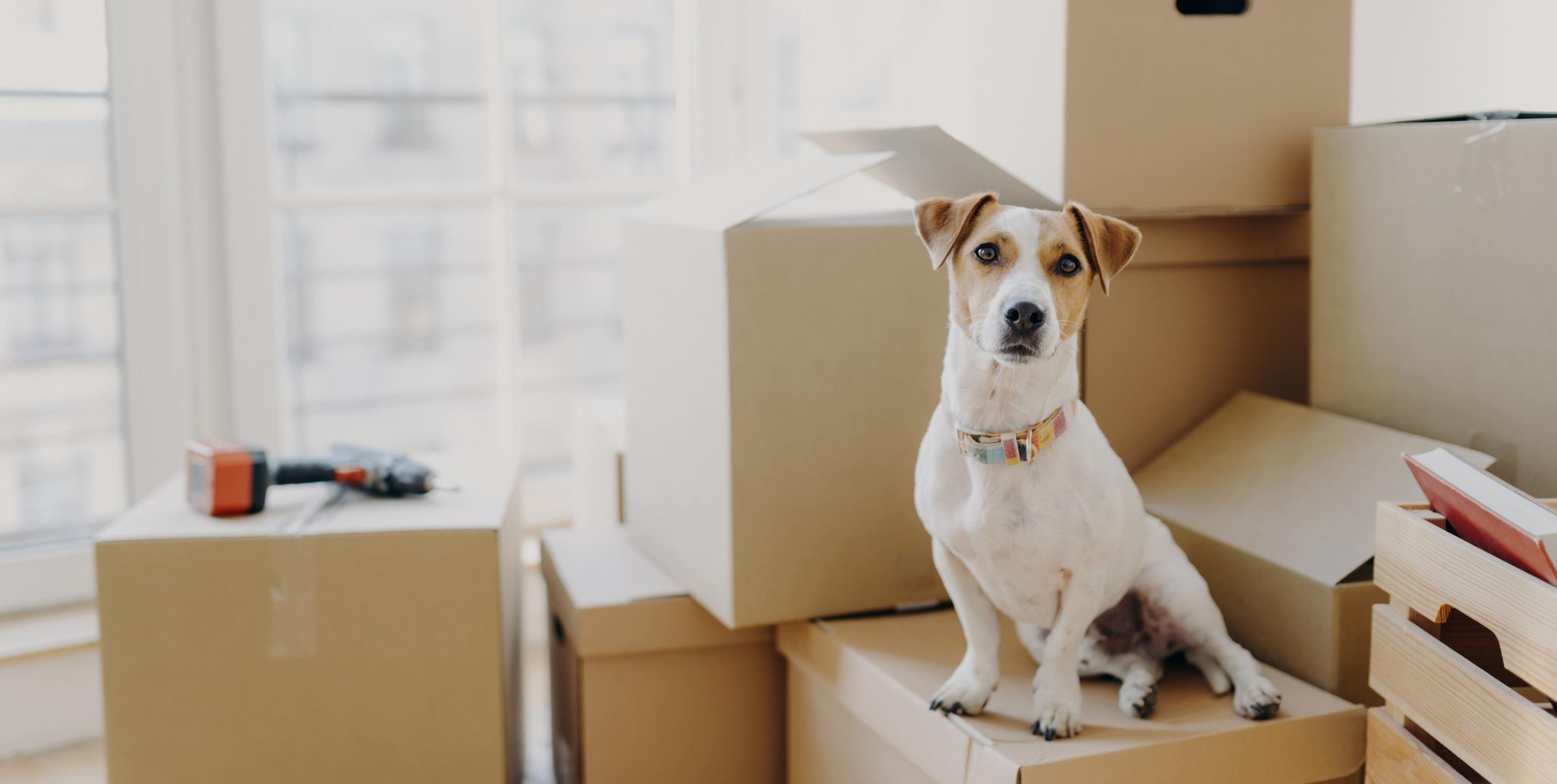
18. Prepare to move your pet
Pets can be stressed by the disruption of a move. Help them through it by:
- Maintaining their regular routines before and after the move
- Arranging pet-friendly transportation
- Updating identification tags and microchip information with your new address
- Creating a comfortable space in your new home with familiar items like their bed and toys
19. Consider sustainable options
Make your move more environmentally friendly:
- Choose eco-friendly packing materials (recycled boxes, biodegradable packing peanuts)
- Donate or recycle unwanted items instead of sending them to a landfill
- Select moving companies that prioritize sustainability
- Consider hybrid or electric vehicles for local portions of your move
After the move
20. Complete your post-move tasks
Once you arrive:
- Update your address with the post office, banks, and subscription services
- Unpack systematically room by room, starting with essentials
- Verify utilities and services are functional at the new address
- Introduce yourself to neighbors and explore your new area
Recommended next steps
Ready to get started? These tools will help you plan: