
Packing
10 Tips for Packing Your Furniture Hassle-Free
Practical furniture packing tips for a stress-free long-distance move, covering everything from disassembly and wrapping to hiring professionals and insuring your items.
4 min read
How to plan, pack and run a long-distance move with a moving company, from written estimates to settling into your new home.
Moving can be stressful, especially over a long distance. These tips cover each stage of a long-distance move with a moving company, from your first inventory to the first week in your new home.
Planning a long-distance move? Get a free moving quote to start with a written estimate.
Before contacting a long distance moving company, start by creating an extensive inventory of your belongings. This list will not only help you determine the size and type of moving services you need but also serve as a valuable reference when unpacking at your new home.
Take the time to research and compare several long distance moving companies. For an interstate move, look up each company's USDOT number in FMCSA records with our DOT number lookup, and read our guide on how to choose a moving company for the questions to ask.
Request quotes from at least three different moving companies. Be sure to provide them with accurate information about your inventory, desired move date, and destination. Comparing written estimates for the same inventory shows you what each company includes and what it charges extra for.
Want to understand the numbers first? Our moving cost guide explains what drives the price.
Once you have chosen a long distance moving company, secure your move date as soon as possible. Booking early gives you more choice of dates.
Moving expenses can add up quickly. Prepare a comprehensive budget that includes the cost of hiring a moving company, insurance, packing materials, temporary accommodations, and any other fees associated with your long-distance move.
Before packing, take the time to declutter your home and get rid of any items you no longer need. This will save you time and money on packing materials and moving costs while also making your new home more organized and spacious.
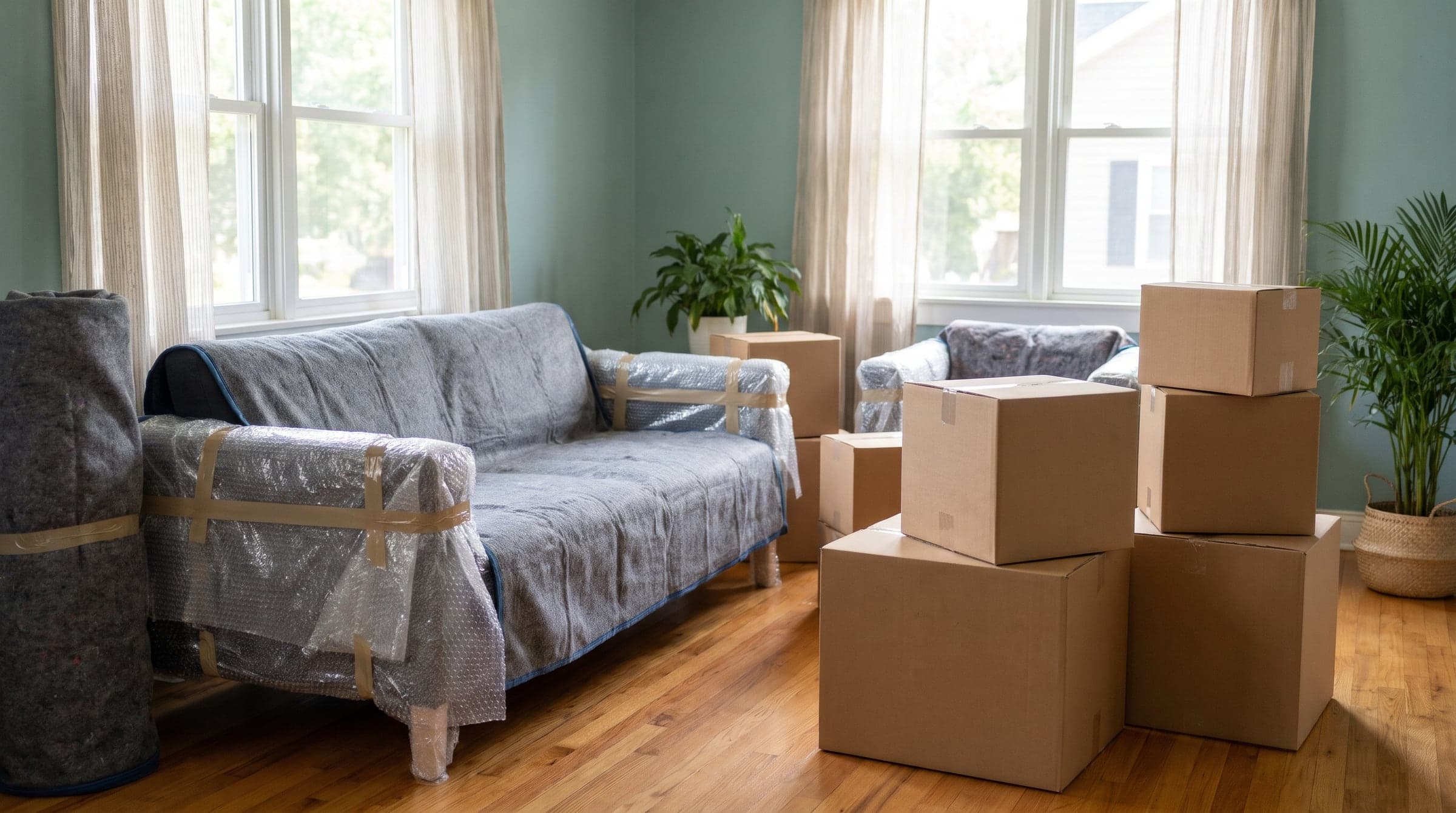
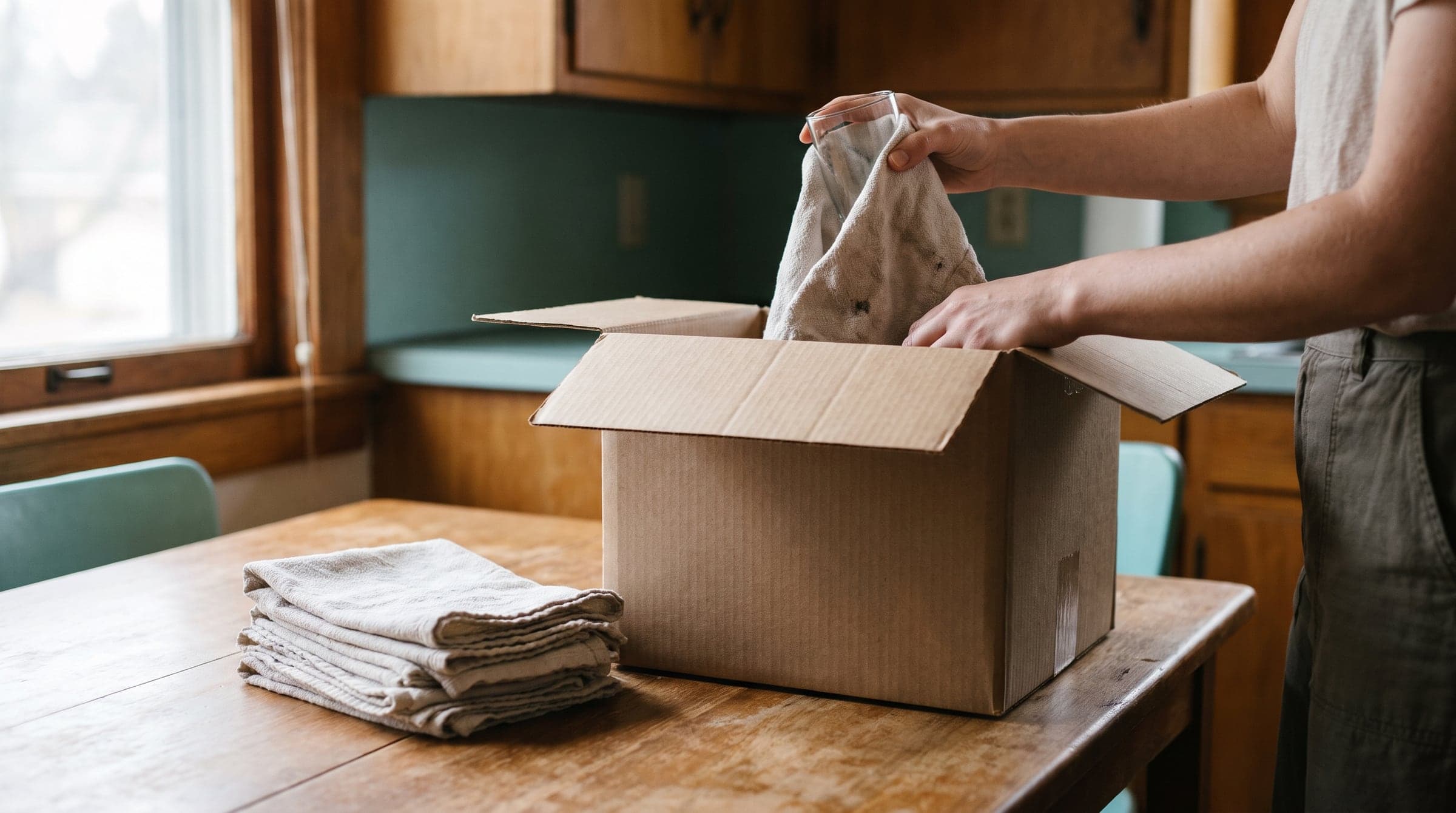
Invest in high-quality packing materials to protect your belongings during a long-distance move. This includes sturdy boxes, bubble wrap, packing paper, and packing tape. Properly cushion and protect fragile items to avoid damage during transit.
Label each box with its contents and the room it belongs to in your new home. You will be able to unpack and organize your belongings much faster and easier this way.
Make a first-night box that includes toiletries, a change of clothes, medications, and any necessary documents. This will help you settle into your new home quickly and comfortably.
Before the moving crew arrives, ensure that all boxes are packed, labeled, and ready to go. Clear pathways and remove any obstacles that could impede the movers' ability to safely and efficiently load your belongings.
Stay on-site during the loading process to answer any questions and provide guidance to the moving crew. This will ensure that your belongings are loaded in the most efficient manner possible while being handled with care.
Make sure you have no leftovers from your old home by walking through it one last time before you leave. Check all closets, cabinets, and storage areas to avoid leaving any belongings behind.
Maintain open communication with your long distance moving company throughout the move. This will allow you to stay updated on the progress of your move and address any concerns or issues that may arise during transit.
Before the moving crew arrives at your new home, ensure that all utilities are set up and functional. Clear any debris or obstacles from the entryways and hallways to facilitate a smooth and efficient unloading process.
Begin by unpacking essential items such as bedding, kitchenware, and toiletries. This will allow you to settle in and start enjoying your new home as soon as possible.
Tackle the unpacking process one room at a time, starting with the most essential spaces such as the bedroom and kitchen. This methodical approach will help you stay organized and make the process less overwhelming.
As you unpack, carefully inspect each item for any damage that may have occurred during the move. If you find any damaged items, photograph them and file a written claim with your moving company. For interstate moves, the FMCSA explains how mover liability works.
After your move, be sure to update your address with the post office, your employer, banks, and other relevant organizations. This will ensure that you receive important mail and notifications in a timely manner.
Take the time to familiarize yourself with your new neighborhood and community. Visit local shops, restaurants, parks, and other amenities to start feeling at home in your new location.
A successful long-distance move requires careful planning, organization, and the support of a reputable long distance moving company. These steps help you keep the move on schedule and avoid surprises.
Ready to make your long-distance move a success? Start here:
FAQ
As a rule of thumb, start booking about eight weeks ahead for a long-distance move, earlier for summer dates. Booking early gives you more choice of dates.
Request quotes from at least three different moving companies. Be sure to provide accurate information about your inventory, desired move date, and destination for the most accurate pricing comparison.
Pack toiletries, a change of clothes, medications, important documents, phone chargers, basic kitchenware, and bedding so you can settle in comfortably on your first night.
Invest in high-quality packing materials including sturdy boxes, bubble wrap, packing paper, and tape. Wrap each fragile item individually and fill empty spaces in boxes with padding to prevent shifting.
Inspect each item as you unpack and photograph any damage. Note visible damage on the delivery paperwork, then file a written claim with the moving company promptly. For interstate moves, the FMCSA explains how mover liability and claims work.
Packing
Practical furniture packing tips for a stress-free long-distance move, covering everything from disassembly and wrapping to hiring professionals and insuring your items.
4 min read

Moving with Family
Practical tips for parents on how to make moving with children a smooth and positive experience, from early communication and fun packing to settling into a new neighborhood.
5 min read
Moving Tips
Discover practical strategies to reduce moving costs, from DIY packing and decluttering to timing your move and negotiating with movers.
6 min read
Share your inventory and move date, and we send an itemized estimate you can review before you commit.