Why a garage sale is worth the effort
Whether you are preparing for a move, decluttering your home, or simply looking to earn some extra cash, a well-organized garage sale can accomplish all three. Transforming unwanted items into money while clearing space is immensely satisfying, and with the right approach, your garage sale can be both profitable and enjoyable.
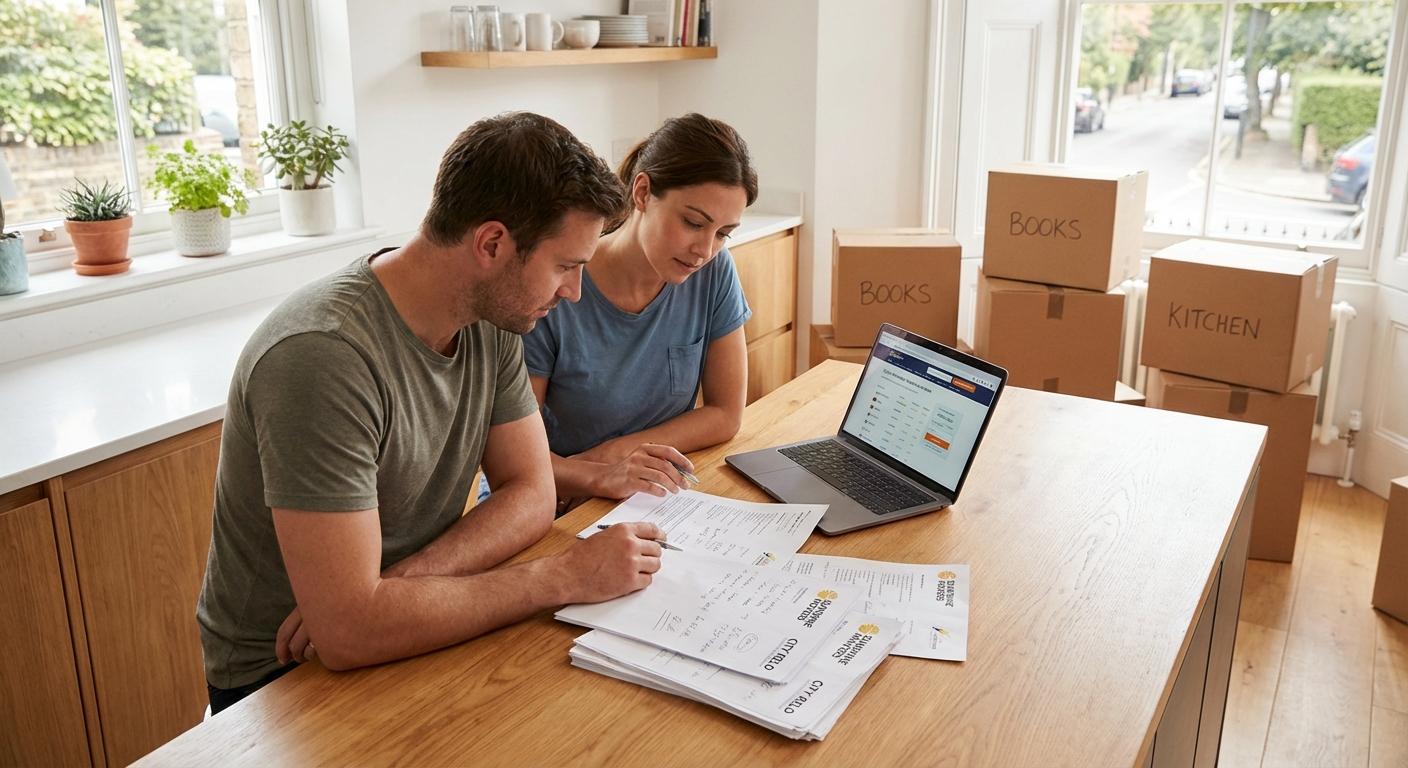
If you are planning a move alongside your sale, get a free moving quote to understand your relocation costs and see how your garage sale earnings can offset expenses.
Planning for success
Setting your goals
Before pulling items out of closets, clarify your objectives. Are you primarily focused on decluttering, earning money, or both? Your goals guide every decision from pricing strategy to promotion intensity.
- Define a realistic income target based on the items you plan to sell
- Decide whether clearing space or maximizing revenue is your top priority
- Set a timeline for planning, promotion, and execution
Picking the ideal date and time
Timing makes a significant difference in foot traffic and sales volume.
- Weekends, particularly Saturday mornings, attract the most shoppers
- Early morning start times (7 or 8 AM) capture the dedicated bargain hunters
- Check local event calendars to avoid scheduling conflicts with community events
- Consider running the sale across two days for maximum exposure
Checking local regulations
Different neighborhoods and municipalities have varying rules about garage sales.
- Research permit requirements in your area
- Understand any restrictions on signage placement, size, and quantity
- Check whether your HOA has specific rules about sales
- Verify time limits or frequency restrictions that may apply
Gathering your sale items
Go through every room in your home with a critical eye.
- Explore closets, attics, basements, and storage areas for forgotten items
- Apply the one-year rule: if you have not used it in a year, it is a candidate for the sale
- Include furniture, clothing, electronics, books, kitchen items, sports equipment, and home decor
- Set aside items that are damaged beyond reasonable use for recycling or disposal
Preparing for a successful sale
Cleaning and repairing items
Presentation directly impacts what buyers are willing to pay. A clean, well-maintained item sells faster and for more money than a dusty, neglected one.
- Wipe down, polish, and dust every item before displaying it
- Make minor repairs like tightening screws, replacing batteries, or sewing loose buttons
- Test electronics to confirm they work and include any cables or accessories
- Launder clothing and iron where appropriate
Pricing strategically
Pricing is the most delicate balance of any garage sale. Price too high and items sit; price too low and you leave money on the table.
- Research comparable items online and at thrift stores to establish fair ranges
- Remember that garage sale shoppers expect bargains, so price accordingly
- Use round numbers for easy transactions
- Consider bundle deals for related items (e.g., all books for five dollars)
- Be prepared to negotiate but know your minimum acceptable price for each item
Grouping and organizing items
Logical organization enhances the shopping experience and encourages buyers to browse longer.
- Group items by category: furniture, clothing, electronics, kitchenware, home decor, books, toys
- Display items on tables, racks, and blankets at accessible heights
- Keep smaller, valuable items near your cash station where you can monitor them
- Create a clear flow through the sale area so shoppers can move freely
Spreading the word
Using social media and online platforms
Digital promotion significantly expands your reach beyond the immediate neighborhood.
- Post on local Facebook groups, Marketplace, Craigslist, and Nextdoor
- Share attractive photos of standout items to generate excitement
- Include the date, time, address, and a preview of notable items
- Repost or boost your listing the day before the sale
Creating eye-catching signs
Physical signage drives foot traffic from passersby and nearby neighborhoods.
- Use bold, legible text that can be read from a moving car
- Include the date, time, and clear directional arrows
- Position signs at busy intersections near your home
- Use bright colors and waterproof materials in case of weather
Utilizing neighborhood channels
- Tell neighbors through word of mouth and neighborhood apps
- Post on community bulletin boards at libraries, grocery stores, and coffee shops
- Invite neighbors to join for a multi-family sale that attracts even larger crowds
Sale day strategies
Setting up your space
Set up the evening before to reduce stress on sale morning.
- Arrange tables and display areas in a logical, inviting layout
- Create clear pathways that encourage seamless browsing
- Feature a clothing rack prominently since apparel attracts many shoppers
- Place larger furniture pieces near the edges so they are visible from the street
- Position your cash station in a central, secure location
Creating an inviting atmosphere
Comfortable shoppers browse longer and spend more.
- Play background music at a pleasant volume
- Set up shaded seating with refreshments like water or lemonade
- Ensure the area is clean and free of tripping hazards
- Smile and maintain a welcoming energy throughout the day
Providing essential supplies
Have everything you need on hand so you are not scrambling during the sale.
- Plenty of change in small bills and coins
- A secure cash box or money belt
- Price tags, stickers, and markers for last-minute pricing
- Bags, boxes, and newspaper for wrapping purchased items
- A calculator for quick math on bundled deals
- Sunscreen, water, and snacks for yourself
Engaging with customers
Greeting and assisting shoppers
A warm greeting sets the tone for the entire interaction.
- Welcome visitors with a smile and let them know you are available for questions
- Allow shoppers to browse independently without hovering
- Be ready to answer questions about item condition, age, and history
Sharing item stories
Personal anecdotes add value and character to your items.
- Share the story behind interesting pieces when buyers express curiosity
- Mention any unique features, history, or provenance
- Be honest about condition and any imperfections
Negotiating with buyers
Haggling is part of the garage sale experience. Approach it positively.
- Establish your minimum acceptable prices before the sale begins
- Be open to reasonable offers, especially later in the day
- Offer bundle discounts when buyers are interested in multiple items
- Stay friendly and professional even when offers are low
Estimate your moving costs to see how your garage sale earnings can reduce your overall relocation budget.
Dealing with challenges
Handling lowball offers
Some shoppers will test your limits. Do not take it personally.
- Determine your flexibility on each item before the sale
- Counter with a firm but fair price if the initial offer is too low
- Be willing to walk away from a negotiation that does not meet your minimum
Weather contingency plans
Check the forecast and have a plan in place.
- Prepare tarps, plastic covers, or a pop-up tent to protect items from rain
- Move sensitive items like electronics and books under cover
- Have a rain date planned and communicate it in your advertising if needed
Managing unsold items
Not everything will sell, and that is perfectly fine.
- Offer steep markdowns on the last day or final hours of the sale
- Donate remaining items in good condition to local charities or thrift stores
- List higher-value unsold items on online selling platforms
- Avoid the temptation to bring everything back inside your home
Wrapping up your sale
Closing out the day
- Offer final discounts on remaining items to move as much as possible
- Count and secure your earnings
- Pack unsold items carefully and label boxes for organized storage or donation
- Disassemble displays and clean the sale area thoroughly
- Remove all signage from intersections and public areas
Reflecting on your success
Take a moment to appreciate what you accomplished.
- Tally your total earnings and compare against your goals
- Note what worked well and what you would change for next time
- Thank anyone who helped you throughout the process
- Remove any online listings and update posts to mark the sale as complete
Planning a move after your sale? Get a long-distance estimate if your relocation involves crossing state lines.
Garage sale checklist
Before the sale
- Set clear goals for decluttering and earnings
- Choose a favorable date and time
- Research local regulations and permits
- Gather items from throughout the home
- Clean, repair, and test all items
- Research pricing and set reasonable prices
- Organize items by category
- Secure sufficient cash and coins for change
- Collect tables, racks, hangers, signs, price stickers, bags, boxes, and markers
Promotion
- Take clear photos of standout items
- Post on social media and online classifieds
- Design and place eye-catching signs with date, time, and location
- Inform neighbors and post on community boards
Sale day
- Arrange displays the evening before
- Attach clear, visible price tags
- Set up your cash station with all supplies
- Prepare bags and wrapping materials for buyers
- Play background music and provide refreshments
- Greet shoppers warmly and be available for questions
After the sale
- Offer last-day discounts on remaining items
- Pack and label unsold items for donation or storage
- Disassemble displays and clean the area
- Remove all signage
- Count and secure earnings
- Update and remove online listings
- Reflect on successes and areas for improvement
Final thoughts
A successful garage sale takes planning, effort, and a positive attitude. Whether you are clearing space before a move or simply trimming the excess from your life, the combination of extra cash, a cleaner home, and the satisfaction of giving your items a second life makes it well worth the investment. Start planning, spread the word, and turn your clutter into opportunity.