Understanding the importance of moving insurance
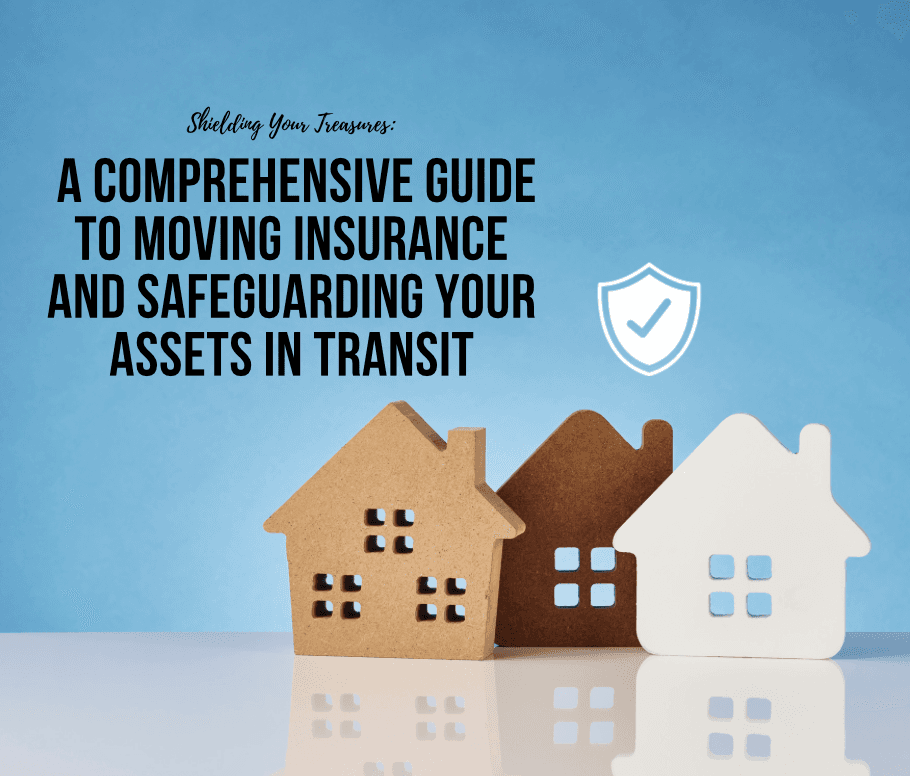
Relocating to a new home involves entrusting your most valued possessions to a moving company and the open road. Despite every precaution, accidents happen. Items can be damaged by jostling, exposed to weather, or involved in transit accidents. Moving insurance provides financial protection in case belongings are damaged, lost, or stolen during the move, giving you peace of mind throughout the process.
Before selecting coverage, get a free moving quote to understand the scope and cost of your upcoming move.
Assessing your moving needs
Every move is different, and your insurance needs depend on the value, fragility, and volume of your belongings. Before choosing a policy, take the time to evaluate what you own, what it is worth, and how much risk you are comfortable assuming.
Creating a detailed inventory
- Walk through every room and document each item you plan to move
- Record the estimated current value of each belonging
- Photograph valuable and fragile items for your records
- Note any items of extraordinary value that may require special coverage
Identifying high-risk items
Some belongings are more vulnerable during transit than others. Electronics, antiques, fine art, glassware, and musical instruments all deserve extra attention when selecting coverage levels.
Types of moving insurance
Full value protection
Full value protection is the most comprehensive coverage available through your moving company. Under this option, the mover is responsible for repairing, replacing, or providing a cash settlement for any item that is damaged, lost, or destroyed during the move at its current market value.
- Provides the highest level of financial protection
- The mover must repair, replace, or reimburse at full current value
- Comes with a higher premium but offers genuine peace of mind
- Typically includes a deductible that you select
Released value coverage
Released value coverage is the basic level of protection that all licensed interstate movers are required to offer at no additional charge. Under this option, the mover assumes liability at approximately 60 cents per pound per item, regardless of the item's actual value.
- Included at no extra cost with any interstate move
- Compensation is based on weight, not value
- A 50-pound television worth $1,000 would only be covered for about $30
- Adequate only for items with minimal replacement cost
Third-party insurance
Third-party moving insurance is purchased from an independent insurance provider rather than the moving company itself. This option can fill gaps in coverage and provide protection that exceeds what the mover offers.
- Allows you to customize coverage limits and deductibles
- Can supplement the mover's own coverage options
- Useful for high-value or irreplaceable items
- Shop around for competitive rates and comprehensive terms
Extraordinary value coverage
Some moving companies offer specialized coverage for items of extraordinary value such as fine art, antiques, jewelry, and collectibles. This coverage typically requires a separate declaration and appraisal.
- Designed for items exceeding standard coverage limits
- Requires documentation of value, often through professional appraisals
- May involve additional premiums based on declared value
- Essential for protecting irreplaceable heirlooms and collectibles
Evaluating your belongings
Conducting a home inventory
Before selecting any insurance policy, create a thorough inventory of everything you plan to move. This inventory serves as the foundation for choosing appropriate coverage and provides critical documentation if you ever need to file a claim.
- List every item with a description and estimated replacement cost
- Photograph or video each room and its contents
- Keep receipts for high-value electronics, furniture, and appliances
- Store your inventory in a safe, accessible location separate from your belongings
Determining replacement value versus weight
Understanding the difference between replacement value and weight-based coverage is essential. A lightweight but expensive piece of electronics would be severely underinsured under released value coverage. Compare the total replacement cost of your belongings against the coverage limits of each option.
Choosing the right coverage
Balancing cost and protection
The right insurance policy strikes a balance between premium cost and the level of protection you need. Consider the total value of your belongings, the distance of your move, and your personal risk tolerance.
- Full value protection costs more but covers the actual value of your items
- Released value is free but provides minimal compensation
- Third-party options let you tailor coverage to your specific situation
- Factor insurance costs into your overall moving budget
Reviewing policy exclusions
Every insurance policy has exclusions. Before purchasing coverage, read the fine print carefully to understand what is and is not covered.
- Cash, jewelry, and important documents are typically excluded
- Hazardous materials and perishable goods are usually not covered
- Pre-existing damage is not eligible for claims
- Items packed by the owner rather than the mover may have reduced coverage
Estimate your moving costs to understand how insurance fits into your overall moving budget.
The claims process
Documenting damage
If any of your belongings are damaged during the move, document the damage immediately and thoroughly.
- Take clear photographs from multiple angles
- Write a detailed description of each damaged item
- Note the condition of the item before the move using your inventory records
- Preserve damaged items and packing materials as evidence
Filing your claim
- Contact your moving company and insurance provider as soon as you discover damage
- Complete all required claim forms accurately and completely
- Submit photographs, your inventory records, and any relevant receipts
- File within the timeframe specified in your policy to avoid denial
Following up
Stay in regular contact with the claims adjuster and keep records of all communication. Most claims are resolved within a few weeks to a few months, depending on the complexity and the insurer.
Additional considerations
Renters and homeowners insurance
Your existing renters or homeowners insurance policy may provide some coverage for belongings in transit. Contact your insurance provider to understand whether your current policy offers any protection during a move and whether it is sufficient.
Seasonal and distance factors
Long-distance and cross-country moves involve more handling, more time in transit, and greater exposure to road hazards. If your move covers a significant distance, investing in comprehensive coverage becomes even more important.
Planning a cross-country relocation? Get a long-distance estimate to plan your move and protection needs.
Final thoughts
Moving insurance is not a luxury; it is a practical safeguard for one of life's most significant transitions. By understanding the types of coverage available, honestly evaluating the value of your belongings, and choosing protection that matches your needs, you ensure that even if something goes wrong in transit, your financial well-being remains intact. Take the time to research, compare, and invest in the right coverage before moving day arrives.