Quick answer
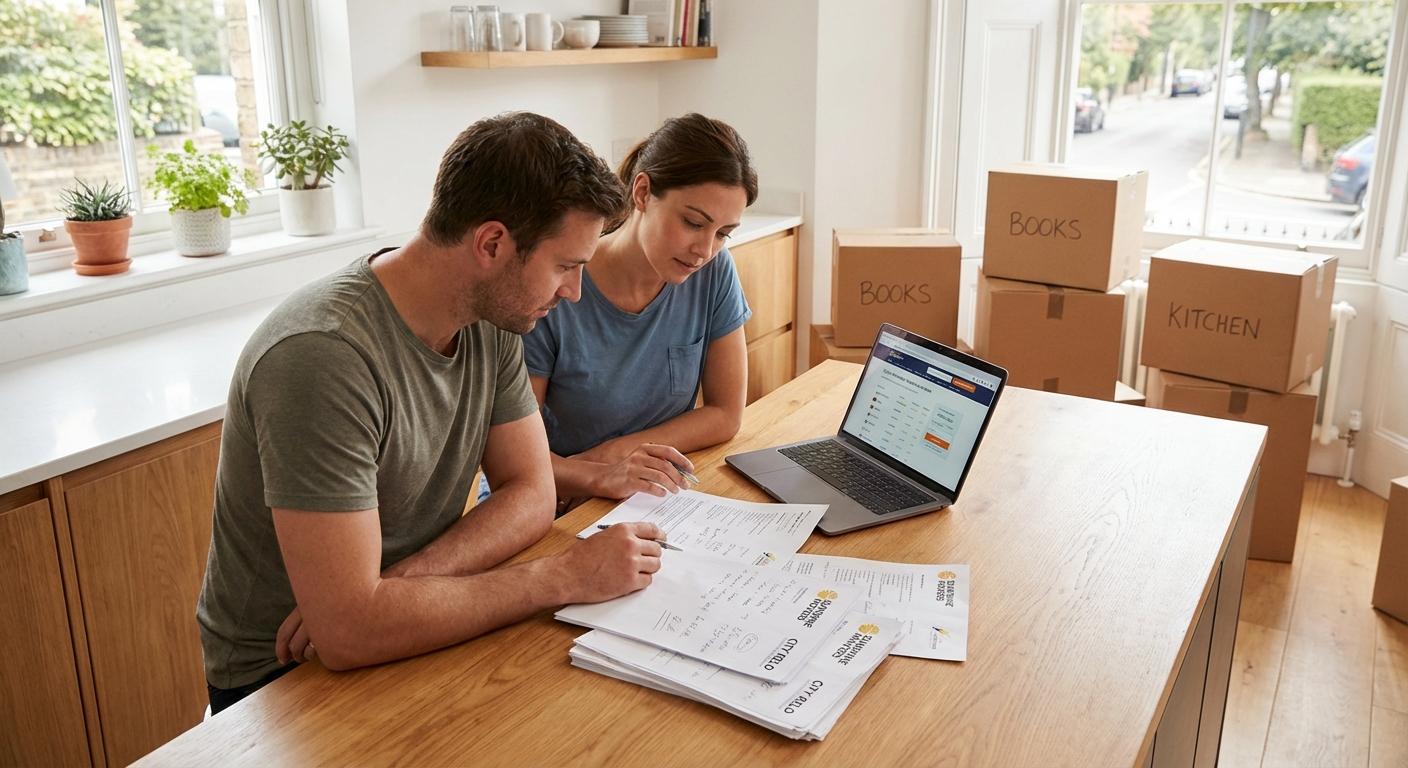
A virtual moving survey is a live video call where a moving estimator walks through your home with you, room by room, to assess what needs to be moved. It typically takes 20 to 45 minutes and produces the same type of estimate you would get from a traditional in-home visit. The key to an accurate quote is preparation: show everything, mention access issues, and ask the right questions before you hang up.
Want to schedule one now? Get a free moving quote and most providers will offer a virtual survey as the first step.
How virtual moving surveys work
Virtual surveys replaced a large share of in-home visits starting in 2020, and they have remained the default for many moving companies since. The process is straightforward.
The basic flow
- You schedule an appointment. The moving company sends a link or asks you to download a video app.
- An estimator joins the call. They guide you through the walk-through, telling you exactly what to show.
- You walk through every room. The estimator takes notes on furniture dimensions, box counts, and special items.
- The estimator asks follow-up questions. These cover access at both locations, stairs, elevators, parking restrictions, and anything that affects labor time.
- You receive a written estimate. Depending on the company, this arrives within hours or a few business days.
What the estimator is looking for
During the call, the estimator is building an inventory. They are noting:
- The number and size of furniture pieces in each room
- Estimated box count based on closet and shelf contents
- Heavy or oversized items (pianos, safes, pool tables, gym equipment)
- Items requiring special packing or crating (artwork, antiques, mirrors)
- Access conditions at your current home (stairs, narrow hallways, long carry distances)
The more thoroughly you show your belongings, the more accurate the estimate will be.
Virtual vs in-home surveys: what is different
Both survey types aim to produce an accurate inventory and estimate. The differences are mostly logistical rather than quality-related.
| Factor | Virtual survey | In-home survey |
|---|---|---|
| Scheduling | Flexible, often same-day or next-day | Requires coordinating an in-person visit |
| Duration | 20 to 45 minutes | 30 to 60 minutes |
| Accuracy | High, if you show everything | High, estimator sees items directly |
| Convenience | No stranger in your home | Requires being home for the visit |
| Best for | Most residential moves | Very large homes or complex moves |
The biggest risk with a virtual survey is that items get missed because you forgot to show a closet, attic, or storage area. With an in-home survey, the estimator can open doors themselves. That responsibility shifts to you in a virtual format, which is why preparation matters.
How to prepare for your virtual survey
A little preparation before the call makes a significant difference in the accuracy of your estimate. Treat it like you are giving someone a complete tour of your home.
Before the appointment
- Declutter first. Decide what you are keeping and what you are donating, selling, or discarding. Moving items you do not want inflates your quote unnecessarily.
- Open all closets and cabinets. The estimator needs to see the volume of contents inside, not just the furniture.
- Check storage areas. Walk through your garage, attic, basement, and any off-site storage units. Know what is there so you can show it on camera.
- Ensure good lighting. Turn on lights in dim rooms, hallways, and storage spaces. The estimator cannot estimate what they cannot see.
- Test your connection. Use a stable Wi-Fi connection rather than cellular data. A choppy video feed slows the survey and can lead to missed details.
- Charge your phone or tablet. A 45-minute video call drains battery quickly. Start fully charged or keep a charger nearby.
Have this information ready
Before the call, write down:
- Your move date (or preferred window)
- The address of your new home
- Any known access issues at either location (stairs, elevators, gated communities, parking restrictions, long driveways)
- Items you are packing yourself vs. items you want the movers to pack
- Any items requiring special handling
What to show during the survey
Completeness is the single most important factor in getting an accurate virtual estimate. Plan to show the following.
Every room in the home
Walk slowly through each room, panning the camera across walls, corners, and floors. Include:
- Living room, dining room, bedrooms, home office
- Kitchen (especially if movers are packing dishes, appliances, and pantry items)
- Bathrooms (if there are large cabinets or storage)
All closets and storage
- Open every closet door and show the contents
- Include coat closets, linen closets, and utility closets
- Show shelving, hanging items, and anything stored on upper shelves or the floor
Garage, attic, and basement
These are the most commonly forgotten areas during virtual surveys, and they are often where the heaviest and bulkiest items live.
- Lawn equipment, tools, and workbenches
- Holiday decorations and seasonal gear
- Bikes, sporting equipment, and outdoor furniture
- Stored boxes from previous moves
Large and heavy items
Call specific attention to anything that requires extra labor or equipment:
- Pianos, safes, and gun cabinets
- Pool tables, hot tubs, and gym equipment
- Large appliances (washers, dryers, refrigerators)
- Oversized furniture (sectional sofas, king-size beds, armoires)
Items you are NOT moving
This is just as important. Clearly point out items that are staying behind, being sold, or going to donation. This prevents the estimator from inflating your inventory.
Questions to ask the estimator
The survey is not just for the mover to assess your belongings. It is your chance to evaluate them as a provider. Before the call ends, ask these questions.
About the estimate
- Is this a binding, non-binding, or not-to-exceed estimate?
- What could cause the final price to change?
- When will I receive the written estimate?
About services and pricing
- What is included in the quote (packing, unpacking, disassembly, reassembly)?
- Are there additional fees for stairs, long carries, elevators, or shuttle trucks?
- Do you charge extra for weekends or peak dates?
About timing and delivery
- What is the pickup window?
- What is the delivery window (especially for long-distance moves)?
- How are delays communicated and handled?
About protection and insurance
- What valuation coverage is included by default?
- What are the options for full-value protection?
- What is the claims process if something is damaged or lost?
For a deeper look at evaluating movers, read how to choose the right moving company.
Common mistakes that lead to bad quotes
Most inaccurate virtual estimates are not the mover's fault. They are the result of incomplete information. Here are the mistakes to avoid.
Hiding or skipping items
Some people worry that showing everything will raise their price. It will raise the estimate, but it will also make it accurate. An underquote leads to a surprise price increase on moving day, which is far worse than a slightly higher upfront number.
Forgetting the garage, attic, or basement
If you have a packed two-car garage and never show it during the survey, the estimator has no way to account for those items. These areas often contain 15 to 25 percent of a household's total volume.
Not mentioning access issues
The estimator needs to know about conditions at both your current home and your destination:
- Flights of stairs (no elevator)
- Narrow doorways or tight hallways
- Long carry distances from the door to the truck
- Parking restrictions or permit requirements
- Gated communities or buildings with move-in/move-out time slots
Access issues affect labor time and may require additional equipment. Omitting them guarantees an inaccurate quote.
Rushing through the walk-through
A virtual survey works best at a slow, deliberate pace. Move the camera slowly, pause in each room, and give the estimator time to take notes. Rushing through a four-bedroom home in 10 minutes means details get missed.
Not asking about the estimate type
If you do not confirm whether the estimate is binding, non-binding, or not-to-exceed, you have no way to predict whether the final cost will match what you were quoted. Always get the estimate type in writing.
After the survey: what happens next
Once the virtual survey is complete, the moving company compiles their notes into a formal estimate. Here is what to expect.
Timeline
- Same-day or next-day estimates are common for local moves.
- One to three business days is typical for long-distance or complex moves.
- If you do not receive an estimate within the promised window, follow up. Delays in quoting can signal disorganization.
Reviewing the estimate
When you receive the written estimate, check for:
- Estimate type clearly labeled (binding, non-binding, or not-to-exceed)
- Inventory list that matches what you showed during the survey
- All fees itemized (packing materials, specialty items, access charges, insurance)
- Pickup and delivery windows with specific dates, not vague ranges
- Payment terms including deposit requirements and accepted payment methods
If anything is missing or unclear, call the company and ask before signing. A good mover will welcome the questions.
Comparing multiple estimates
You should aim to get estimates from at least two or three companies. Comparing helps you spot outliers, whether unusually high or suspiciously low, and gives you leverage to ask informed questions.
Use the moving cost calculator to build a baseline estimate you can compare against the quotes you receive.
Next steps
A virtual moving survey is one of the easiest ways to get an accurate moving estimate without taking time off work or coordinating an in-person visit. The key is showing everything, asking the right questions, and reviewing the written estimate carefully before you commit.
Ready to get started?
- Get a free moving quote from licensed, insured movers
- Estimate your moving costs with our calculator
- Learn how to choose the right moving company before booking